
 EN
EN

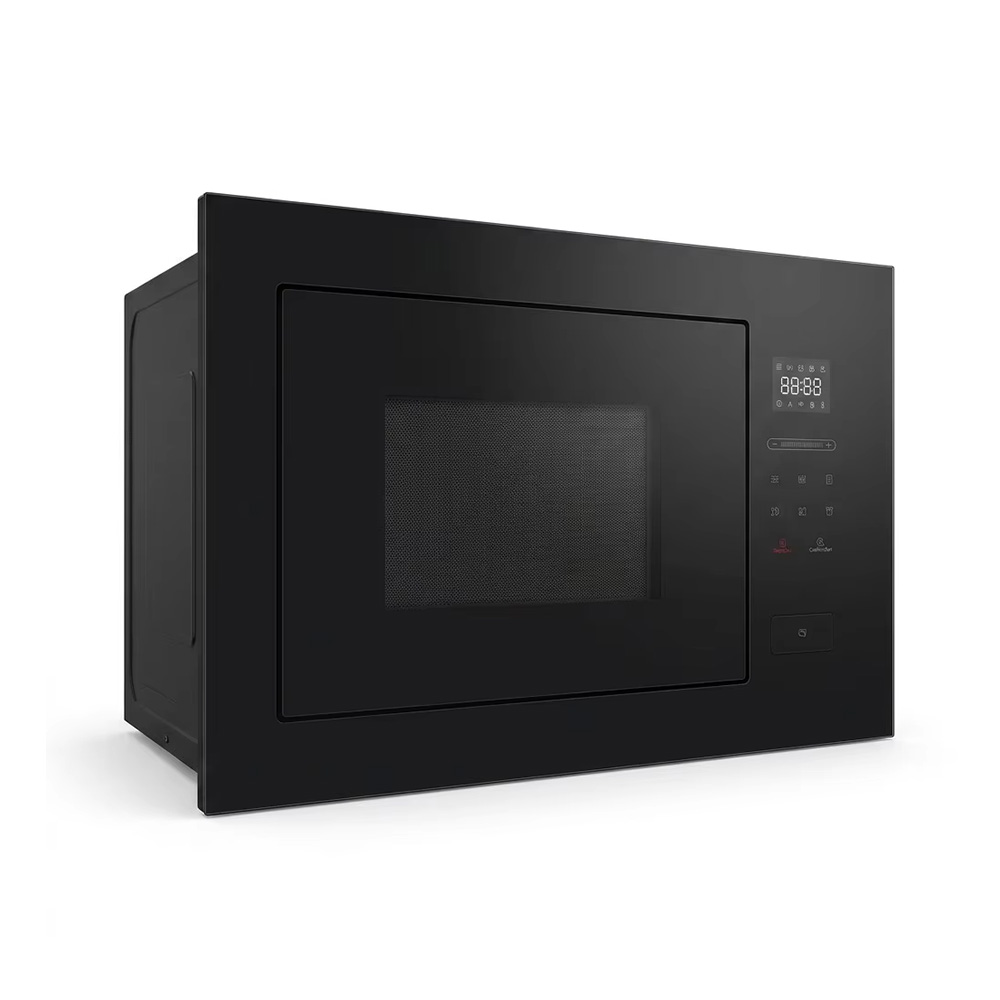
The Critical Role of Proper Ventilation for Your Built In Microwave Oven
When designing a contemporary kitchen, integrating a built in microwave oven into custom millwork delivers a seamless, clutter-free aesthetic that elevates the entire culinary room. However, many homeowners and kitchen planners overlook the severe thermal challenges hidden behind that sleek exterior facade. Every built in microwave oven depends on stable surrounding temperatures to function reliably over many years of heavy daily use. Unlike freestanding countertop appliances that radiate heat freely into open room air, a built in microwave oven operates within the tight boundaries of wooden cabinetry. During intense defrosting or high-power cooking cycles, the internal magnetron and high-voltage transformer generate substantial thermal energy. Without adequate airflow circulation, trapped hot air accumulates rapidly inside the cabinet void, placing immense thermal stress on sensitive electronic circuit boards. Partnering with a specialized manufacturer like Zhongshan Jiaye Electrical Appliances Tech Co., Ltd. ensures your cooking space benefits from advanced thermodynamic engineering. Selecting a well-engineered built in microwave oven is essential, but respecting fundamental ventilation requirements is what truly guarantees peak culinary efficiency and safeguards your expensive kitchen joinery from irreversible heat damage.
Understanding Airflow Dynamics Inside a Built In Microwave Oven Enclosure
Mastering the principles of cabinet airflow is essential before installing any built in microwave oven in residential or commercial projects. Every functional built in microwave oven relies on continuous forced-air cooling to regulate its internal operating temperature and safeguard delicate digital sensors. Ambient room-temperature air must enter through dedicated intake vents, flow smoothly across the high-voltage components, and exit through designated exhaust pathways. When a built in microwave oven is installed without proper intake and exhaust separation, the appliance begins recycling its own hot exhaust air. This thermal feedback loop drastically impairs cooling efficiency, causing the built in microwave oven to trigger internal thermal overload cutoffs unexpectedly. To facilitate natural thermal convection, cabinet builders must create an unobstructed vertical chimney pathway behind the built in microwave oven. This design ensures that rising warm air escapes smoothly toward the ceiling while pulling fresh, cooler air in from the bottom, creating a self-sustaining cooling current that protects both the appliance and surrounding woodwork.
Standard Cutout Dimensions and Clearance Margins for a Built In Microwave Oven
Achieving reliable culinary performance begins with honoring strict physical clearance standards during cabinet fabrication. A standard built in microwave oven cannot simply be wedged into an airtight wooden cubby without adequate breathing margins. Most manufacturers require a minimum rear ventilation gap of at least forty-five to fifty millimeters between the back panel of the built in microwave oven and the interior cabinet wall. Furthermore, top and side margins must provide sufficient clearance to accommodate specialized decorative trim kits without constricting air passage. When integrating a built in microwave oven into tall pantry columns or lower kitchen islands, contractors must also incorporate ventilation cutouts in the cabinet base or shelving supports. These strategic openings allow the built in microwave oven to pull sufficient room-temperature air from below. Verifying these dimensional tolerances prior to final cabinet installation prevents costly remodeling errors and guarantees your built in microwave oven functions smoothly throughout its operational lifespan.
Innovative Heat Dissipation Solutions in Jiaye Built In Microwave Oven Engineering
To resolve the spatial constraints of modern kitchen cabinetry, advanced built in microwave oven manufacturers have pioneered innovative internal thermal management systems. Zhongshan Jiaye Electrical Appliances Tech Co., Ltd. equips each modern built in microwave oven with precision-engineered tangential cooling blowers and front-facing exhaust channels. Rather than pushing dangerous heat pockets deeper into sealed cabinet enclosures, this innovative architecture guides hot exhaust air forward through subtle vents integrated into the exterior trim frame. Homeowners exploring sophisticated built in microwave oven solutions will discover that this intelligent airflow design permits flush-mounted cabinet integration without compromising cooling capacity. Furthermore, Jiaye engineers incorporate smart thermal sensors that dynamically modulate fan speeds based on real-time cooking intensity. Choosing an expertly designed built in microwave oven from Jiaye ensures whisper-quiet operation, optimal cooking throughput, and total peace of mind for luxury residential kitchen projects.
Critical Installation Mistakes to Avoid with Your Built In Microwave Oven
Even the highest quality built in microwave oven can suffer premature component failure if fundamental installation guidelines are compromised by improper installation practices. One prevalent error involves sealing the peripheral perimeter of the built in microwave oven trim kit with silicone caulking or decorative molding. This practice inadvertently blocks the engineered ventilation slots, trapping hot exhaust air directly against sensitive digital display panels. Another frequent blunder is positioning a built in microwave oven directly over a high-output radiant cooktop without adequate thermal shielding, which forces grease-laden, boiling air directly into the intake louvers. Additionally, failing to cut dedicated ventilation channels in upper cabinet crowns prevents hot air from escaping, turning the housing into an internal heat trap. Avoiding these common oversights ensures your built in microwave oven receives a continuous supply of cool ambient air, protecting delicate electronic sensors and significantly reducing costly appliance maintenance calls.
Best Practices for Integrating a Built In Microwave Oven into Custom Cabinetry
Planning the architectural layout of your kitchen requires balancing ergonomic accessibility with dependable ventilation mechanics. Installing your built in microwave oven at eye level within a tall appliance column represents one of the most effective configurations, as upward thermal convection naturally draws heat away through upper cabinet soffits. Alternatively, if your kitchen layout places the built in microwave oven beneath a countertop island, installing discreet toe-kick vents ensures a constant stream of cooler floor-level intake air. Sourcing coordinated kitchen appliances allows designers to pair the built in microwave oven seamlessly with matching built-in convection ovens and warming drawers. When cabinet ventilation is meticulously planned from the initial design phase, your built in microwave oven becomes a visual showpiece that delivers exceptional cooking performance, energy efficiency, and reliable long-term durability for the modern culinary home.
Table of Contents
- The Critical Role of Proper Ventilation for Your Built In Microwave Oven
- Understanding Airflow Dynamics Inside a Built In Microwave Oven Enclosure
- Standard Cutout Dimensions and Clearance Margins for a Built In Microwave Oven
- Innovative Heat Dissipation Solutions in Jiaye Built In Microwave Oven Engineering
- Critical Installation Mistakes to Avoid with Your Built In Microwave Oven
- Best Practices for Integrating a Built In Microwave Oven into Custom Cabinetry