
 EN
EN

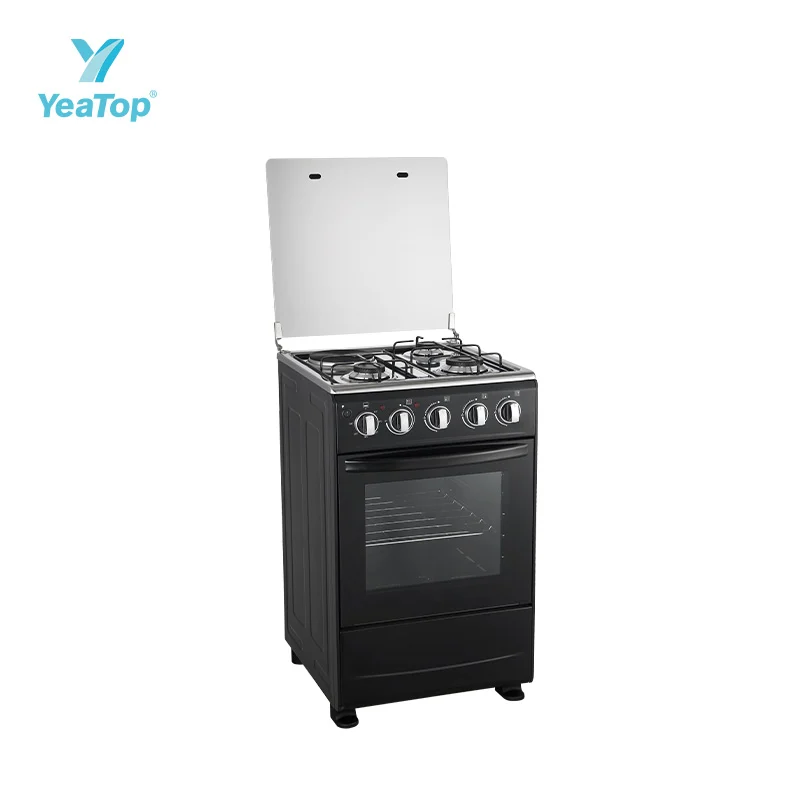
Sourcing home appliances for global distribution is never just about finding a competitive price. For international importers, regional brand owners, and commercial procurement managers, bringing a high-performance
Rigorous Raw Material and Component Inspection Standards
Building a dependable gas stove starts long before technicians begin assembling parts on the factory floor. Under ISO-aligned quality systems, incoming quality control (IQC) acts as the first gatekeeper against structural defects and material failures. High-grade stainless steel sheets and thermal-shock-resistant tempered glass panels must undergo rigorous physical testing to ensure they can handle heavy cookware and sudden temperature jumps. Quality inspectors check every incoming glass batch with optical tools and stress meters to confirm precise thickness, edge polishing, and scratch resistance. Key functional
In-Line Process Quality Control on the Assembly Line
Once raw components clear inspection and move into production, in-process quality control (IPQC) teams take charge of every critical step on the line. Assembling a modern gas stove requires a series of delicate steps, from stamping metal chassis bases to aligning internal gas lines and wiring pulse ignition systems. ISO quality management calls for clear standard operating procedures (SOPs) paired with error-proofing mechanisms at every single workstation. For example, when workers connect the primary gas valve to the central manifold tube, calibrated pneumatic torque drivers enforce the exact tightness required by design engineers. Over-tightening can fracture the valve casting, while under-tightening leaves tiny pathways for fuel leaks. At the same time, line sensors and trained inspectors closely track the installation of safety parts like flame failure devices (FFD), thermocouples, and spark igniters. Maintaining tight process checks at every stage guarantees that every
100% Gas Leakage and High-Pressure Safety Testing Protocols
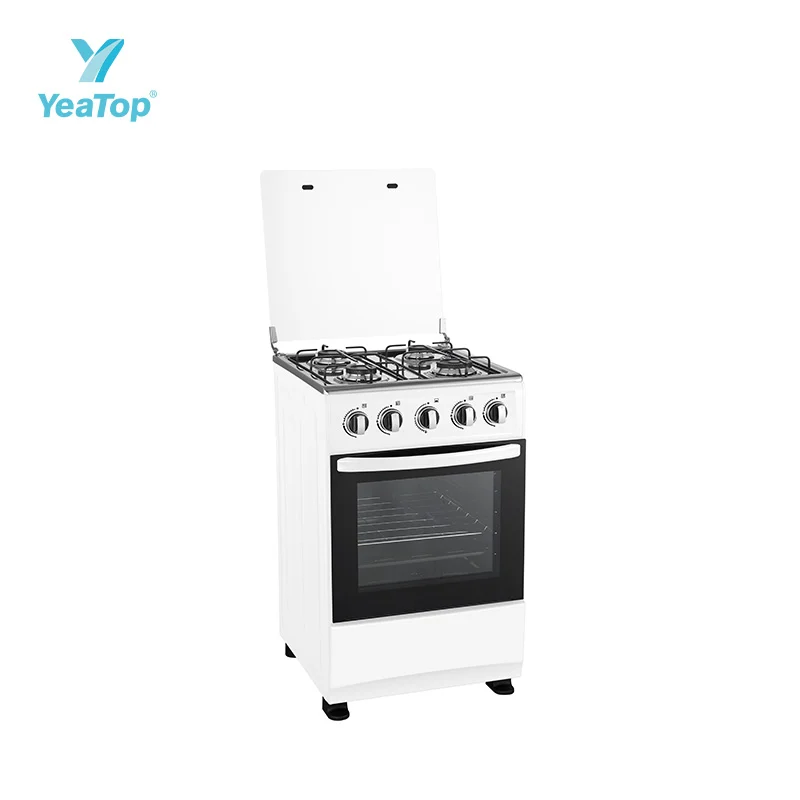
When manufacturing gas-burning appliances, safety is always the non-negotiable bottom line. Visual checks and dimensional sampling work well for sheet metal, but gas channel integrity requires absolute, 100-percent testing. Under ISO quality assurance guidelines, no gas stove leaves the line without passing through fully automated pressure testing stations. High-precision pneumatic instruments seal the internal gas manifold of every single unit and inject compressed gas, monitoring internal pressure levels over set holding periods. These sensitive sensors pick up micro-barometric drops that point to tiny leaks undetectable by human eyes during routine
Finished Goods Final Inspection and Laboratory Durability Testing
Beyond individual safety checks on the line, robust ISO quality control calls for thorough final inspections and ongoing laboratory stress tests. Before any batch of the gas stove lineup gets cleared for export packaging, quality assurance teams run randomized statistical checks based on international Acceptable Quality Limit (AQL) standards. Inspectors check surface finishes under standardized light, testing paint adhesion, glass printing clarity, knob turning resistance, and pan support balance under strict
Partnering with Jiaye Group for ISO-Certified Manufacturing Excellence
Building a profitable, lasting presence in the global appliance market takes a manufacturing partner committed to precision engineering and steady quality control.
Table of Contents
- Rigorous Raw Material and Component Inspection Standards
- In-Line Process Quality Control on the Assembly Line
- 100% Gas Leakage and High-Pressure Safety Testing Protocols
- Finished Goods Final Inspection and Laboratory Durability Testing
- Partnering with Jiaye Group for ISO-Certified Manufacturing Excellence