
 EN
EN

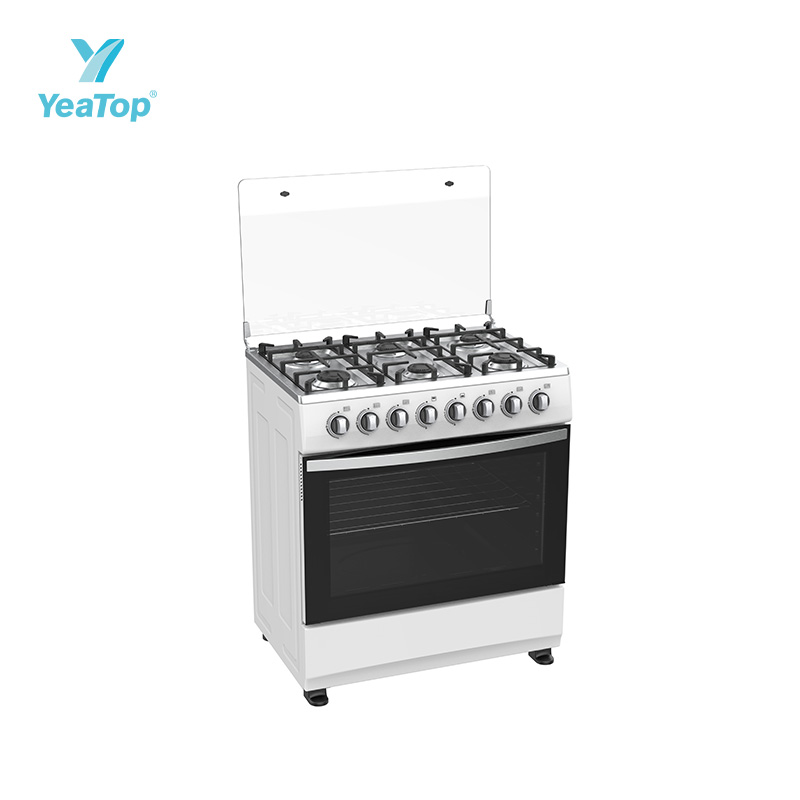
Why Your Gas Stove Needs the Right Fuel from Day One
When you browse for a new cooktop, it is easy to get caught up in details like burner layouts, tactile metal knobs, or easy-clean glass surfaces. But the most critical choice actually hides behind the cabinet doors: the fuel connection. Every modern gas stove runs on one of two primary fuel sources: Liquefied Petroleum Gas (LPG) or Natural Gas (NG). Flame might look like flame at a glance, but these two gases behave very differently inside your kitchen. Feeding the wrong fuel into a gas stove will quickly lead to weak sputtering burners, heavy black soot coating your cookware, or even dangerous gas leaks. Zhongshan Jiaye Electrical Appliances Tech Co., Ltd. designs and manufactures high-performance cooking gear for international markets where both fuels are widely used. Before ordering or installing your next gas stove, knowing how these two gases differ in heat output, pressure, and daily running cost will save you money and prevent serious installation headaches.
Cooking on an LPG Gas Stove: High Heat and Off-Grid Freedom
Liquefied Petroleum Gas, commonly sold in pressurized metal cylinders, consists of propane, butane, or a blend of both. If your home sits outside major city utility grids—whether out in the countryside, in a coastal retreat, or in a new suburb without pipeline access—an LPG gas stove is your ticket to dependable cooking. The standout trait of LPG is its raw heating punch. Pound for pound, bottled gas packs almost two and a half times more energy than typical pipeline methane. That concentrated energy lets an LPG gas stove crank out intense, focused heat that boils water fast and sears a steak without dropping pan temperature. For cooks who love wok cooking, that extra heat density makes a real difference. The trade-off comes down to handling. With an LPG gas stove, you have to track cylinder levels, store spare tanks safely, and occasionally swap bottles right in the middle of preparing Sunday dinner.
Running a Natural Gas Stove: Continuous Supply and Lower Monthly Bills
Natural gas takes a completely different path into your home. Composed almost entirely of methane, it flows straight through municipal underground pipes directly into your kitchen valve. For city homeowners and apartment dwellers, setting up an NG gas stove is the gold standard for daily convenience. Once you connect your gas stove to the wall outlet, the fuel supply never stops. You never have to lift a heavy forty-pound tank, check pressure gauges, or wait around for a delivery truck. Natural gas also burns remarkably clean, leaving zero greasy carbon residue on the bottom of your pots. From a financial standpoint, pipeline fuel usually costs considerably less per cooking hour than bottled gas across most developed cities. If your family fires up the gas stove two or three times every single day, opting for natural gas keeps your utility bills predictable and your cooking routine completely uninterrupted.
Pressure and Nozzles: Why You Cannot Just Hook Up Any Gas Stove
Many homeowners assume that a gas stove can simply burn whatever fuel is hooked up to it. In reality, connecting an LPG gas stove directly to a natural gas line—or doing the reverse—is an invitation to disaster. The reason boils down to pressure and hole sizes. Liquid petroleum gas arrives at your stove under significantly higher pressure than pipeline methane. Because LPG is so energy-dense, an LPG gas stove uses tiny brass injector nozzles with pinhole-sized openings to meter the fuel. Natural gas, by comparison, enters the appliance at much lower pressure and requires much wider nozzle orifices to deliver enough volume for a steady flame. If you hook a natural gas stove up to a bottle of high-pressure LPG, fuel rushes through the wide jet uncontrolled, creating scary roaring flames and toxic carbon monoxide. Conversely, feeding low-pressure natural gas into an LPG gas stove produces a puny yellow flicker that struggles to warm a cup of soup.
How Jiaye Builds Adaptability and Safety into Every Modern Gas Stove
Building flexibility into appliances is where manufacturing expertise proves its worth. Rather than forcing clients into rigid, one-way designs, Zhongshan Jiaye Electrical Appliances Tech Co., Ltd. engineers each gas stove with modular adaptability in mind. Jiaye designs its reliable gas cooking appliances around universal burner chassis that can be configured for either LPG or natural gas right on the assembly line or adapted later in the field. Every gas stove incorporates precision-machined brass jets, sturdy control valves, and sensitive thermocouple flame-failure safety devices that shut off gas flow immediately if a draft blows the flame out. By supplying certified nozzle swap kits and straightforward conversion schematics, Jiaye helps distributors and retail brands tailor each gas stove to local gas supply rules. Exploring Jiaye's catalog of customized kitchen cooktops shows how thoughtful valve engineering delivers crisp blue flames, high thermal efficiency, and zero guesswork regardless of which gas line feeds your home.
Sizing Up Your Space: How to Pick the Best Gas Stove for Your Kitchen
Deciding on the best fuel setup for your gas stove ultimately comes down to your kitchen's infrastructure and how you like to cook. If your house already has an active utility meter and a gas line running behind the cabinet, installing an NG gas stove is the most practical, economical move you can make. The endless supply and lower monthly fuel bills make daily meal prep smooth and effortless. But if you live in a rural home, enjoy the independence of off-grid living, or want maximum flame intensity for high-heat cooking, an LPG gas stove provides reliable power anywhere you set it up. If you rent or plan on moving within a couple of years, pick a convertible gas stove that comes with an official nozzle kit so you can switch fuel types whenever your address changes. Taking the time to match your fuel supply with a quality gas stove ensures safer cooking, cleaner pots, and reliable flames every time you turn the knob.
Table of Contents
- Why Your Gas Stove Needs the Right Fuel from Day One
- Cooking on an LPG Gas Stove: High Heat and Off-Grid Freedom
- Running a Natural Gas Stove: Continuous Supply and Lower Monthly Bills
- Pressure and Nozzles: Why You Cannot Just Hook Up Any Gas Stove
- How Jiaye Builds Adaptability and Safety into Every Modern Gas Stove
- Sizing Up Your Space: How to Pick the Best Gas Stove for Your Kitchen