Understanding the Digital Diagnostic Language of Modern Induction Cookers
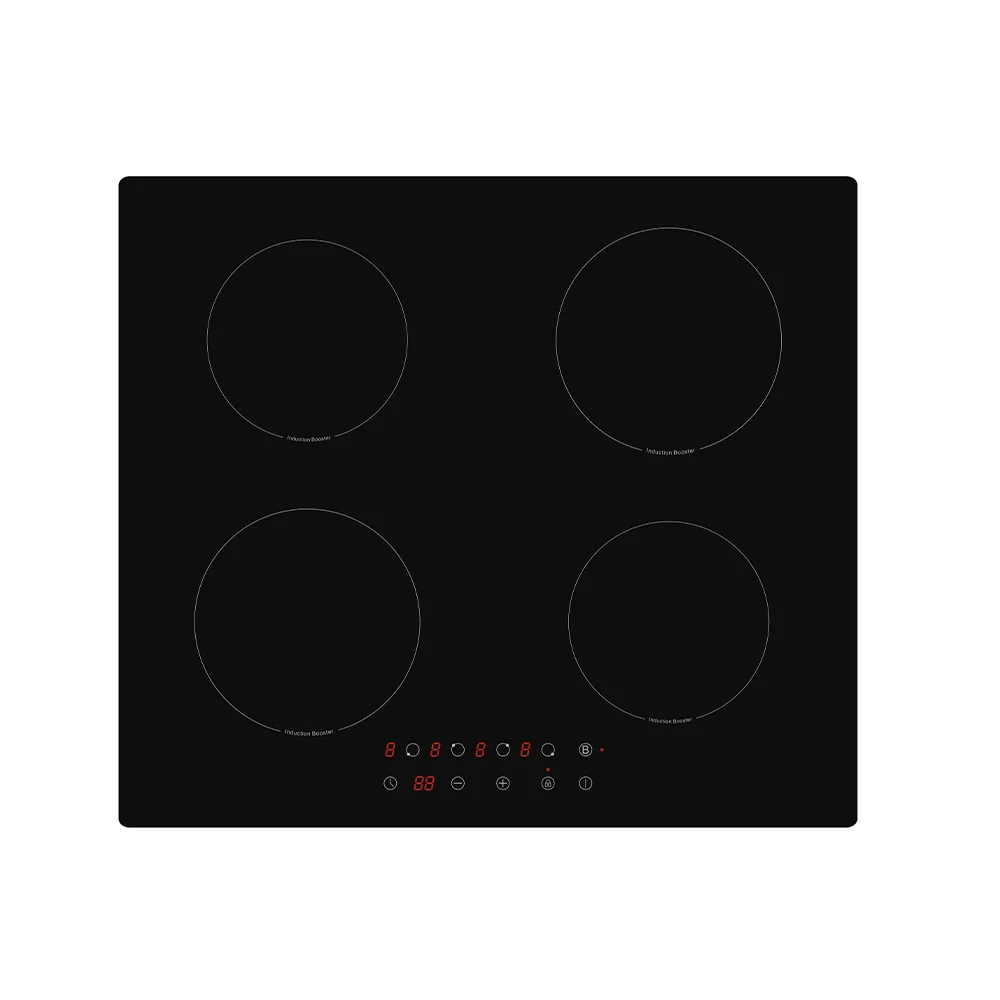
When a high-performance commercial or residential induction cooker suddenly stops heating and displays an alphanumeric code like E1, E2, or E6, it can interrupt meal preparations and frustrate kitchen operators. Experienced field technicians know these diagnostic markers are not random system glitches. They represent intelligent, automated protective measures programmed into the printed circuit board assembly of the system. Modern units rely on real-time sensor feedback to constantly monitor internal thermistor temperatures, incoming electrical supply voltages, and electromagnetic coil resonance frequency. When operational parameters stray outside safe engineering thresholds, the central microprocessor triggers a specific error code to prevent costly structural component damage, such as thermal degradation or electrical short-circuiting. Understanding what these digital warnings signify empowers procurement officers, commercial kitchen managers, and everyday home users to perform rapid initial troubleshooting before scheduling professional technical support. By recognizing whether an issue stems from simple cookware mismatch or internal power board overload, operators can dramatically minimize operational downtime.
Addressing Overheating Safeguards and E1 or E2 Temperature Sensor Errors
Among the most frequent diagnostic codes encountered during heavy culinary operations are E1 and E2 error indicators, which directly correspond to thermal overload or temperature sensor circuit failure. During field inspections in busy restaurant kitchens, technicians often find that a modern induction cooker utilizes precise negative temperature coefficient thermistors positioned directly underneath the heat-resistant glass-ceramic cooking surface and mounted against the main insulated-gate bipolar transistor heat sink assembly. If an empty pot is inadvertently left on high power, or if cooling air channels become restricted by cabinet debris, internal temperatures quickly exceed thermal safety limits. The unit immediately halts power generation and flashes an E1 or E2 code to protect internal electronics from permanent heat damage. Troubleshooting this condition involves turning off the power switch, allowing the system to cool down for 15 to 20 minutes, verifying that the pan base contains sufficient liquid or food, and clearing any dust or grease accumulated along the bottom air intake vents.
Resolving Power Grid Fluctuations and Voltage Error Codes like E3 and E4
In busy commercial environments or places with inconsistent industrial power supply lines, electrical instability can frequently trigger E3 and E4 protection codes on your induction cooker interface. Industry electrical standards indicate that an E3 code typically signifies over-voltage protection activated when the line voltage surges above acceptable operational margins, whereas an E4 code signals under-voltage conditions where the incoming electrical supply drops below the required threshold for stable electromagnetic induction. A commercial unit requires a steady, clean current flow to drive its high-frequency switching circuits without straining internal capacitor banks or rectifiers. When significant grid instability occurs, the control board automatically halts energy transfer to prevent voltage breakdown across internal components. Users experiencing frequent voltage errors should verify whether multiple high-draw kitchen appliances are sharing a single electrical circuit, measure the local wall outlet voltage with a multimeter, or install a dedicated industrial voltage stabilizer to protect their equipment from fluctuating power lines.
Diagnosing Cookware Compatibility Issues and E0 No-Pan Detection Signals
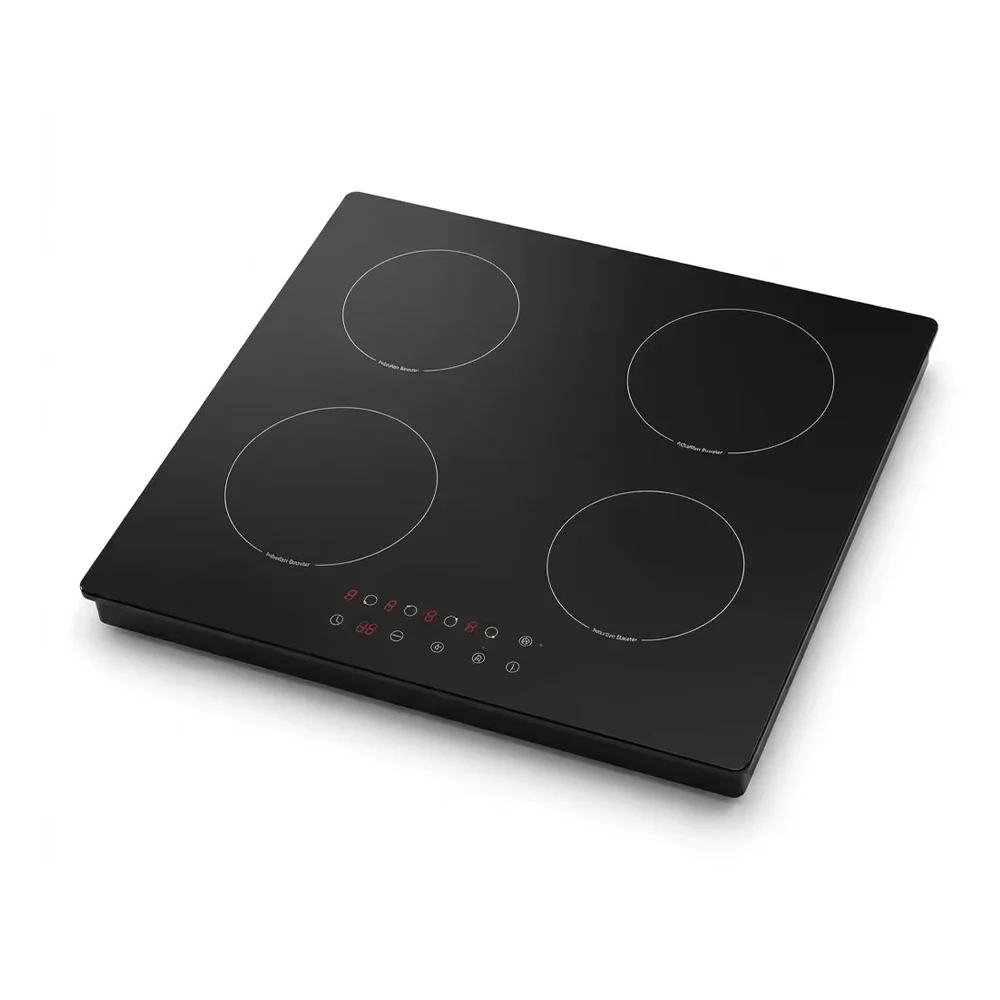
A recurring source of operational confusion for new kitchen staff is the E0 error code, which signifies cookware detection failure rather than an internal mechanical fault. Practical kitchen testing demonstrates that for an induction cooker to generate heat, it requires a ferromagnetic cooking vessel capable of completing the magnetic circuit produced by the internal induction coil beneath the glass. If a user places a pure aluminum, copper, ceramic, glass, or non-magnetic stainless steel pan onto the glass surface, the sensor cannot establish the necessary magnetic flux coupling. The unit will beep periodically as a warning and display E0 on its panel before automatically shutting down into standby mode for safety. Resolving an E0 error simply requires verifying that the cookware has a flat, magnetic bottom; testing the base of the cookware with a small magnet is a quick, practical way to confirm compatibility. Additionally, ensure the pot diameter matches the coil zone markings, as excessively small pan bases may fail to activate the detection circuit.
Managing Internal Thermal Ventilation Failures and IGBT Protection Codes
Higher-tier error codes, such as E5, E6, or E8, often point to internal cooling fan malfunctions or IGBT module overheating within the power chassis of the induction cooker. Certified appliance engineers emphasize that the insulated-gate bipolar transistor serves as the core electronic switching engine of any advanced unit, converting standard AC line frequency into high-frequency alternating current. This rapid conversion generates substantial heat that must be continuously dissipated via extruded aluminum heat sinks and high-rpm cooling fans. If internal fan blades become obstructed by accumulated kitchen grease or fail entirely due to motor wear, the heat sink thermistor triggers a protective shutdown code to prevent total IGBT breakdown. To resolve ventilation-related codes, ensure the appliance maintains at least 10 centimeters of clear ventilation clearance on all sides, inspect the air intake and exhaust louvers for blockages, check that the internal cooling fan rotates freely, and routinely clean washable mesh air filters.
Mitigating Hardware Communication Errors and Touch Panel Sensor Glitches
Complex induction cooker models featuring multi-zone cooktops or digital touch control glass panels may occasionally output higher-level system error codes like E7 or F-series fault codes. Service logs show these error codes usually stem from internal ribbon cable communication failures between the main motherboard and the display control panel, or capacitive touch sensor drift caused by surface moisture and heavy grease accumulation. When liquid boils over onto the control glass during high-heat cooking, capacitive touch sensors may register false inputs or signal grounding errors, prompting the safety system to lock controls and display a fault code. Resolving touch panel glitches involves completely disconnecting power, thoroughly cleaning and drying the glass interface with a microfiber cloth, and performing a full power cycle reset after two minutes to recalibrate the capacitive sensors.
Practical Field Inspection Checklist for Quick On-Site Diagnosis
When faced with an unfamiliar fault code on site, following a structured diagnostic sequence saves valuable time and prevents unnecessary service calls. First, inspect the external power supply and ensure the dedicated outlet delivers stable voltage matching the specification label. Second, verify that the cooking vessel is made of ferromagnetic material and covers at least 70 percent of the designated cooking zone. Third, examine the intake and exhaust air channels underneath and behind the commercial appliances to guarantee unimpeded airflow. Fourth, perform a full system power cycle by unplugging the unit for two full minutes to clear temporary microchip memory errors. If the error code persists after completing these fundamental checks, consult the official technical service manual or contact an authorized service agent to evaluate internal board circuitry, temperature sensors, or power relay modules.
Partnering with Advanced Manufacturing Facilities for Uncompromising Kitchen Reliability
Preventing frequent field errors, reducing maintenance downtime, and minimizing warranty service costs begin with choosing commercial-grade appliances built with superior electronic components and rigorous quality control protocols. Industry audits prove that advanced manufacturing infrastructure incorporating automated SMT circuit assembly, precision thermal shock testing chambers, and double-layer moisture-proof PCB coatings ensures that every unit maintains stable operation even under demanding daily commercial use. By engineering high-performance kitchen appliances backed by comprehensive OEM and ODM manufacturing capabilities, Zhongshan Jiaye Electrical Appliance Technology Co., Ltd. supplies global brand owners, commercial distributors, and engineering contractors with durable commercial appliances built for modern culinary environments. Investing in certified equipment with advanced self-diagnostic protection delivers long-term operational peace of mind and seamless kitchen integration across all commercial application sectors.

 EN
EN